Safety, Death, and Robots
Would you let a machine save your life?
How do you feel about putting your life in the hands of AI? This has been a fascinating conversation to have with people on the ground – and the answers might surprise you.
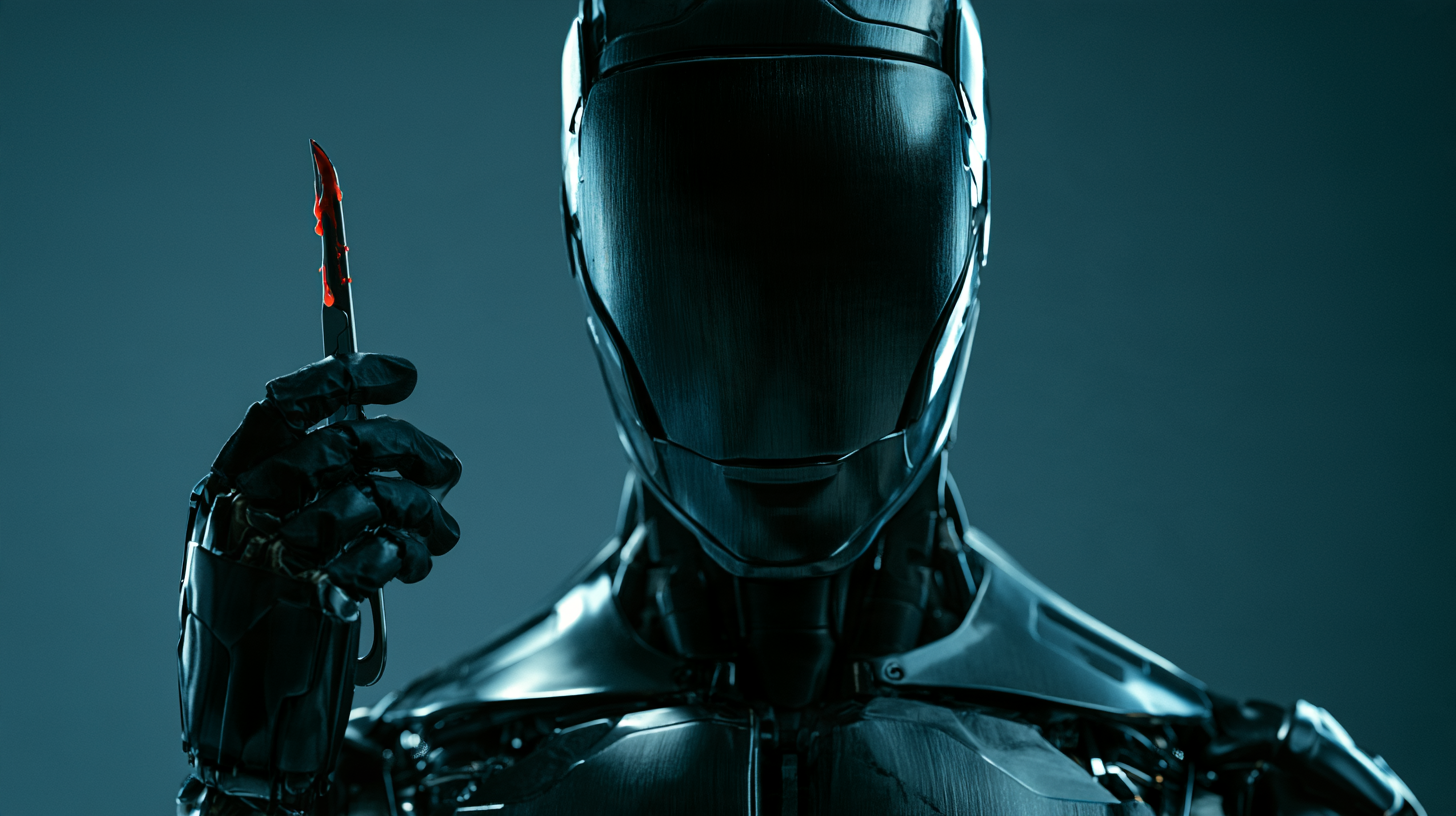
The hypothetical I’ve been asking people at events is: If you needed a surgery to save your life, and you could choose an AI-controlled robot surgeon with a 1% mortality rate, or a human surgeon with a 7% mortality rate, which would you prefer to perform your surgery? The overwhelming majority responded that they prefer the human doctor.
Note that the response to this question is very divisive. Those who pick the human surgeon can’t fathom how the other group could ever want to put their life in the hands of an AI robot, and the other side can’t understand why someone would choose a 7% chance of not surviving over a 1% chance.
The big revelation to me is that we can’t discount the impact of emotion on the adoption of any given technology. If we all thought purely logically then the choice would be obvious, but humans don’t like being reduced to a statistic. We feel. We have emotions. It’s what sets us apart from machines. The explanation I heard most often was “If they died during the surgery the human would feel bad, but the robot would not even be aware of their existence or that said existence ended.”
I have heard similar comments about Waymo taxis and other automated cars. Even if the data is airtight and independently verified, and shows that they are safer than a human driver, people often say they just don’t want to be killed by a non-sentient machine. It somehow feels worse than being killed by a driver who made a mistake and, assuming they aren’t a psychopath, will feel remorse for what they have wrought.
Would it surprise you to learn that this phenomenon is not new? The history of mankind has been a long procession of new and terrifying technologies, and adoption tends to follow the same pattern. First people are wary of the new thing and don’t trust the new paradigm. Then, at some point, enough people adopt it for whatever reason – probably something rooted in logic. And then it cascades. People see their neighbors trusting the new thing, the tribal social mechanisms of our caveman brains kick in, and within a short time we don’t even remember life before it – social media, smartphones, online banking. That last one must have been terrifying after a lifetime of handling physical cash.
The automatic elevator was invented around 1900. Until then, you had a guy standing in the elevator who controlled the door and movement – and before automatic doors, one lapse of attention could be fatal. So it may not surprise you that, like the surgeon and the driver, people hated the unmanned version. The absence of a human was unsettling to passengers. It took more than 50 years for automatic elevators to become the standard.
The 1945 New York elevator operators’ strike is often cited as the turning point. There’s a lesson there: if a machine can do your job but people don’t trust it yet, maybe don’t go on strike and leave the machine as their only option. Faced with pushing a button or climbing thirty flights of stairs in a suit, people gave the button a shot – and once they made it to their floor in one piece, the fear faded.
The human threat detection system in our brains never ceases to amaze me. If you survive something, your brain jots down a vivid emotional memory that you can indeed survive that experience – it doesn’t matter if your chances were 5% or 90%. You survived that time, so now you feel much safer next time. Play Russian roulette once and your brain will be much more comfortable the second time around. And the key is that, to a lesser degree, this works socially too. If you see someone else doing the thing, and they survive, your brain jots down that maybe you’re more likely to survive too. That guy did it, so it stands to reason you can too.
It also helped that over the years they added features to ease the transition, like emergency stop buttons – when things go sideways, it helps to have something for the lonely passenger to do other than just stand there and ruminate on their impending death. In that vein, they also added recordings of calm voices so occupants didn’t feel completely alone – even though they were. I suppose we’re already following that track. Your favorite AI chatbot sounds like a convincing human most of the time.
What do you think? Would you take the better odds of survival, or would you feel better having a human who would feel bad if you didn’t make it? If we make the robot say “Oops, sorry about that” in a very calming voice right before you die, would that change your answer?
New articles, episodes, and events — once a week, in your inbox.