Hepatitis C PSA with Willie Nelson
Memory science applied to video production

Introduction — Interning with a Legend
In 2009 I landed my first job at a small production house in Dallas — unpaid, fresh out of college, sleeping on a friend's floor. My first actual professional work product ever was a public service announcement about Hepatitis C, produced by Willie Nelson. Someone close to him had contracted the disease, and what struck him wasn't just the diagnosis — it was that a virus five times more widespread than HIV was somehow flying completely under the radar. He decided people needed to know. Willie is definitely a guy who puts his money where his mouth is — he funded the production and airtime completely out of his own pocket.
I can't claim any great impact on the project, because I started half way through production. Principal photography was complete and they were really just putting it all together in the editing bays — I mostly fetched coffee, snacks, and hard drives while the actual professionals did the impressive work. But I learned an enormous amount just being in the room, and I can honestly say I've used this video as a teaching example in nearly every professional conversation I've had about impactful informational video content.

The Content — Structure of a Broadcast TV Spot
Before we dig in — the version linked above is the full one-minute cut. Most broadcast spots are produced in multiple lengths: typically 60, 30, and 15 seconds. The 30 and 15 are what usually air. In this case, roughly the first 30 seconds is the core PSA — which is what we'll be analyzing. The back half is an extended call to action and resource guide, and it's actually a smart use of the extra time — if you have a full minute to fill, spending it on "here's what you can do about it" is exactly right. A full minute of even local broadcast ad time can be pricey however, so 15 and 30 second versions are the most common format to air. With less time, delivering the information is the priority, and you flash resources at the end. Besides, even in 2009 there was Google — if they forgot the website, they could still find their way there.
If you haven't yet, go ahead and watch the video at the top of this page, and we will dig into the structural analysis of the content.
The Breakdown — What's Actually Happening In This Video
Did you know about Hepatitis C before watching that? What do you know now? Even if you had never heard of it, I'd bet my bottom dollar you now know:
- The name — Hepatitis C
- That it is a life threatening STD, in the same category as HIV
- That you could have it right now and have absolutely no idea
Three facts. Thirty seconds. And each one landed through a completely different mechanism. Let's break it down.

The Hook — How Narrative Tropes Make Knowledge Memorable
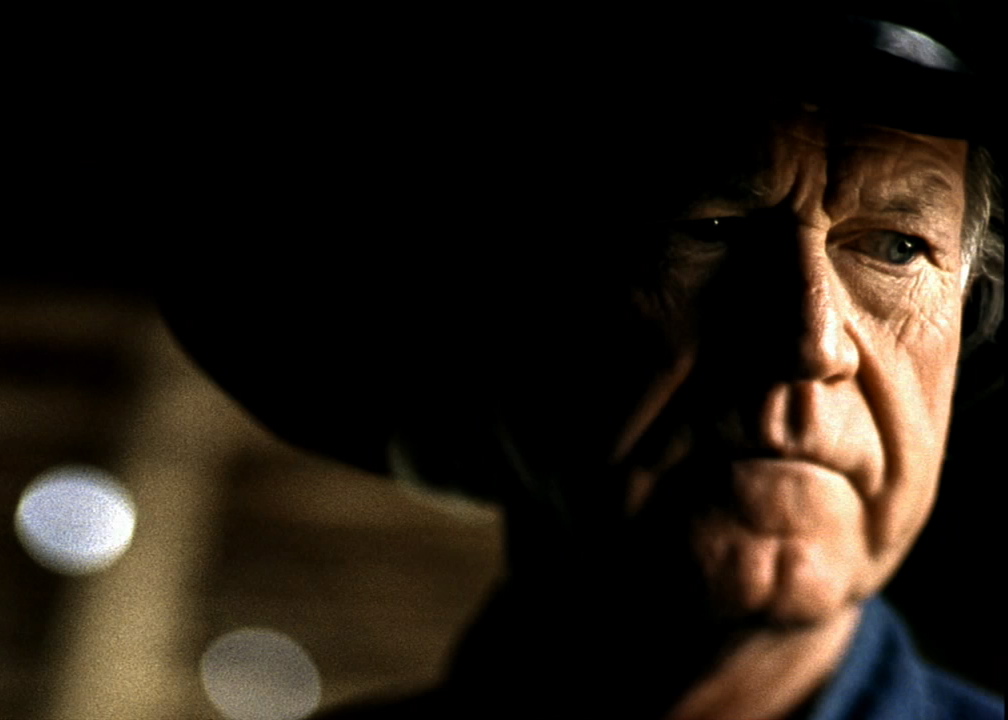
It loves the dark. It lives in the shadows. It waits for the unsuspecting. Without warning. It preys on the unknowing. Without symptoms.
Notice they haven't named anything yet. Six fragmented sentences, each its own beat, each delivered by a different familiar face — building something predatory and invisible. Your brain is pattern-matching furiously — what is "it"? The rhythm feels like a country-tinged thriller, not a public health announcement. Even if you were cooking with the television running in the background, those opening lines would snag you. You might not even think you're paying attention.
But here's the clever part — the hook isn't just entertainment. The entire setup is built around the core fact it needs you to remember: this thing is unseen. No warning. No symptoms. That idea is being woven into your memory through atmosphere and tension before we even name the evil — but you know we are about to name a demon, don't you? The lesson is riding the mystery.
The Name — Repetition to Flatten the Forgetting Curve
Hepatitis — Hepatitis — Hepatitis C
Evil has a name. But why say it three times, each time louder than the last?
The answer is old science. German psychologist Hermann Ebbinghaus pioneered the study of memory in the late 19th century, best known for a concept called the forgetting curve — which describes how information fades over time, typically dropping to around 30% retention within 24 hours. Spaced repetition is the technique that fights it: review material at increasing intervals, strengthening the memory each time and flattening the curve. This is where flashcards come from.
The PSA can't follow you home and quiz you tomorrow. So it hacks the concept — three exposures in four seconds, each one louder than the last, riding the same science in the only way thirty seconds allows.
Try it yourself next time you meet someone new. Say their name out loud three times, each time with a little more conviction than the last. I guarantee you will remember their name. When they look at you weird, just tell them about the forgetting curve — and this new acquaintance will undoubtedly find you super cool — probably.
Life Threatening STD — Implication Doing the Work of Explanation
A virus now five times more widespread than HIV
This is the most efficient line in the spot. Unpack what it's actually doing:
In 2009 — before effective treatment made HIV a manageable condition — it was widely understood as deadly, sexually transmitted, and something to be genuinely feared. Everyone watching already had that encoded. The PSA doesn't spend a single word explaining any of it. It just borrows the emotional weight through direct comparison.
"Five times more widespread" then reframes the scale instantly. Most viewers had never heard of Hepatitis C. Hearing that more people have it than HIV produces an involuntary reaction — wait, what? — and the surprise deepens the memory encoding.
But the subtlest move: the spot never actually says Hepatitis C is a sexually transmitted disease. It doesn't have to. Direct comparison implies a shared category. Your brain fills it in automatically. One line. No wasted words. Three facts inferred from ten words.
And here's what makes this part so impactful — you didn't just learn a new fact, you expanded an existing one. Most people watching already had deeply ingrained knowledge about HIV, built over years of cultural awareness and genuine fear. This new information didn't get thrown into the void. It attached itself to something already load-bearing in your memory — the kind of knowledge your brain keeps front of house, primed and ready because it may be relevant for survival.
Conclusion — Learning from a Legend
It's a rare thing when a genuinely meaningful moment in your life lines up with a project you can cite professionally for years to come. We made an effective spot, but what I remember most is the people who put it together. Willie especially. I don't think I've met anyone quite so grounded, so present, so entirely unbothered by his own reputation. When it was time to work he was in the zone — sometimes with a guitar in his hands, talking through what was connecting and what wasn't, what would make people remember the message they were trying to send. A message he believed in enough to fund himself, simply because he thought it was the right thing to do.
He got it done. And he got it done in a way that would actually matter. Those are values I've been trying to live up to ever since.
-
Every effective informational message has three jobs, in order: Hook → Inform → Call to Action.
- The hook earns attention — without it, the brain never signals that what follows is worth remembering
- The information is the lesson — without it, you've entertained but taught nothing
- The call to action gives the audience a next step — without it, they're left to figure out what to do with the information on their own.
-
Repetition, repetition, repetition on keywords. Repeat words or phrases you want the audience to remember. Read up on the Forgetting Curve if you want to know more about the science of memory.
-
Borrow existing cultural knowledge through comparison rather than explaining from scratch. Why explain that "HepC is a life-threatening STD with an estimated 3.2 million persons chronically infected in the US alone" - when you can just say "A virus five times more widespread than HIV". It's not just shorter, it's less new information to parse.